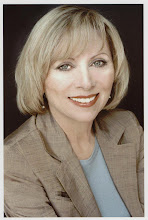
American values appear to be changing from conspicuous consumption to more responsible savings and spending, but we’re all wondering whether this behavior shift will really be an enduring change in our values and behavior over time. Will we continue to save when we feel the tough times have subsided and we’re somewhat back to a normal economic life as we define it?
We’re hoping that we will be able to develop and maintain a healthy savings habit and make better use of our money. But obviously spending habits are a challenge to change. According to the latest survey data (August 2009), it appears that Americans are starting to spend again.
Over the last two decades, I’ve discovered that financial habits and behavior are subconsciously motivated and a result of how we think and feel about money. To make any significant impact in changing old habits and acquiring new financial behavior, we have to focus on our attitudes and feelings about our money as well as how we behave. Attitudes drive behavior and behavior drives attitudes. There’s a reciprocal relationship between the two which enables us to change and maintain that change so we can achieve our goals and realize our dreams.
This was a key part of my message that I delivered last week as I toured five cities: New Orleans, Baton Rouge, Houston, Dallas and New York with Capital One Bank who recruited me to educate consumers in how to develop healthy savings habits. It was also my goal to give people an understanding of how to start to save effortlessly and then maintain the savings over time.
Capital One is interested in consumers being able to use tools like their new offering, SmartCents Checking, which is available at Capital One Bank retail locations. The free personal checking account transfers 50 cents from the customer’s checking account to a linked savings account for every eligible online bill pay or debit card purchase. Capital One will match 100% of all eligible customer transfers for the first three months, and 5% thereafter. It seems to be an excellent tool to automate savings and help remove any will power decisions that might sabotage best intentions of saving on a consistent basis.
So, it was my goal in speaking with groups of consumers at each of five Capital One Bank locations to emphasize the importance of understanding how to use our personal financial traits to our greatest advantage and avoid powerful and unconscious emotional triggers which can sabotage our best intentions to change. We all know what happens to our New Year’s resolutions—our best intentions are defeated by our powerful, unconscious and ingrained mind-set or personality pitfalls that trip us up.
We all agree that we don’t want our money to serve our emotions which may not be in our best interest. Today more than ever we have to use this opportunity of the “Great Recession” to focus on what it takes to become more financially secure. As a result, we’ll become more confident and make more rational vs. emotional decisions that will ultimately bring us greater joy and less regret.
In my conversations with some of the people I met last week, it was obvious that they don’t lack the desire to improve their financial situation; they feel they lack the understanding of how to make more suitable decisions for themselves. They whole-heartedly accepted the fact that their attitudes and feelings about money make an impact on their financial situation and they were motivated to learn more about making the best use of their money personality. Couples were particularly interested in how they could use their perceived differences in personality so they could manage their money more harmoniously. All were eager to read my book, “Your Money Personality: What It Is and How You Can Profit from It” which Capital One Bank gave away. Many went a step further and expressed a desire to discover their money personalities by taking the Moneymax® questionnaire online so they could receive a personalized report of their trait scores and how to optimize them.
I was convinced, as I usually am in my conversations with people, that we lack personal education more than personal motivation in making the best use of our money. If you are interested in learning more about your individial money personality and how to profit from it, follow the link: www.kathleengurney.com/fpconsumer/index.asp.
Remember your money personality makes an impact on how you use your money and the satisfaction you reap from it. To make any positive impact, you have to focus on your attitudes and feelings about your money as well as how you behave.
Friday, October 02, 2009


Thursday, August 27, 2009
Women, Wealth and Charitable Giving: Personality, Demographics or A Bit of Both?
Robert Frank recently wrote about the charitable giving of women vs. men in his blog, Wealth Report, http://blogs.wsj.com/wealth/?s=women+charitable+giving&x=39&y=6
He reported the findings of a new survey by Barclay’s: Wealthy women give away nearly twice as much as of their wealth as their male counterparts. The survey of 500 people with investible assets of $1 million or more found that men give an average of 1.8% while women give an average of 3.5% of their wealth to charity.
And it isn’t just a
“Yes, the finding confirms stereotypes. But it also has big implications for the future of philanthropy,” states Frank. The study also highlights how the charitable decisions are made with women looking for input and collaboration and men often making decisions on their own. According to Frank, “wealthy women donors, therefore, will be more likely to work in partnership with charities, rather than dictating terms. That is in stark contrast to the “My-way-or-highway” tendencies of venture philanthropy.”
“The future of philanthropy may ultimately lie in understanding how men and women might work in partnership,” says Matthew Brady, Managing Director, Barclay’s Wealth in the
It’s been my experience that women are motivated by affiliation and desire input and collaboration. Even if they have earned their own money, they are motivated to establish and nurture relationships with their money. They still look for input, others’ needs for the money and terms vs. dictating all of the terms and conditions. It’s just their tendency to have a stronger need for affiliation than for power.
Monday, August 17, 2009
Money Personalities: Bliss or Bickering?
Money permeates every relationship in life and acts as a powerful force in enhancing similarities and reinforcing differences. In my research and work with couples over the years and helping them in their money management challenges, I found it fascinating that the most compatible couples shared similar money personality traits and values , http://www.kathleengurney.com. The old adage, "opposites attract", just didn't hold true among the couples that seemed to use money well together. The opposites I did see in money personalities came to see me because money became the symptom of emotional differences and discord and the scapegoat for all that was going wrong.
So, today when I read the article, "In Spending Matters, Opposites' Attraction Fuels Conflict" in the International Herald Tribune,http://global.nytimes.com/?iht, I wasn't surprised to find that researchers had found that people who were described as "spendthrifts" and "tightwads" tended to marry. These "dichotomized duos" reported more unhappy marriages than people with more similar attitudes toward spending. These "financially polar pairs" reported greater conflict over money and lower levels of marital bliss.
This makes sense to me because the spending/saving trait is the most obvious to see in action with couples. The tugging and control over the purse strings becomes obvious with all purchase decisions. Money becomes the symbol of differing opinions and values with a compromise hard to reach considering how far apart the saver and spender are on this trait.
In consulting with opposite money personalities like the Achievers (savers and accumulators of wealth) and the Hunters (emotional spenders), their conflicts were obvious. Achievers get turned on by watching their money accumulate while the Hunters' greatest joy is a great shopping treasure hunt.
You would think that this obvious difference in money personalities would be a warning signal in considering marriage and managing money together. Unfortunately, couples plunge ahead not wanting to make such affairs of the wallet a priority.
There is hope if couples are willing to do the hard work to reach compromise and compatibility. If they're willing to explore each other's perspective and reach the most suitable solution that satisfies both partner's needs without jeopardizing security, then whatever differences they have can be managed for mutual satisfaction.
So, today when I read the article, "In Spending Matters, Opposites' Attraction Fuels Conflict" in the International Herald Tribune,http://global.nytimes.com/?iht, I wasn't surprised to find that researchers had found that people who were described as "spendthrifts" and "tightwads" tended to marry. These "dichotomized duos" reported more unhappy marriages than people with more similar attitudes toward spending. These "financially polar pairs" reported greater conflict over money and lower levels of marital bliss.
This makes sense to me because the spending/saving trait is the most obvious to see in action with couples. The tugging and control over the purse strings becomes obvious with all purchase decisions. Money becomes the symbol of differing opinions and values with a compromise hard to reach considering how far apart the saver and spender are on this trait.
In consulting with opposite money personalities like the Achievers (savers and accumulators of wealth) and the Hunters (emotional spenders), their conflicts were obvious. Achievers get turned on by watching their money accumulate while the Hunters' greatest joy is a great shopping treasure hunt.
You would think that this obvious difference in money personalities would be a warning signal in considering marriage and managing money together. Unfortunately, couples plunge ahead not wanting to make such affairs of the wallet a priority.
There is hope if couples are willing to do the hard work to reach compromise and compatibility. If they're willing to explore each other's perspective and reach the most suitable solution that satisfies both partner's needs without jeopardizing security, then whatever differences they have can be managed for mutual satisfaction.
Monday, August 10, 2009
Preparing for Retirement by Doing and Feeling
I read an article in the N.Y. Times, A Boot Camp to Prepare for Retirement; http://www.nytimes.com/2009/07/25/your-money/25money.html?_r=1&emc=eta1">and I was impressed by what two financial planners had developed. They created a simulation for their clients and allowed them to experience how they were feeling about a new phase of life. In many ways, I would imagine participants have a new understanding of what’s so intimidating and often depressing about the “R” word as many of my clients refer to retirement.
About 8 years ago, I was thinking along the same lines and had proposed a similar program to the local university. I was just moving to Sarasota and thought it would be a great venue for participants and a way for Sarasota to show off what a wonderful city this is for retirement by inviting pre-retirees for several weekends during the year to go through a weekend workshop.
Timing was not in my favor so the program was not accepted by the university but it’s been in the back of my mind ever since as a highly worthwhile endeavor; abbreviated versions have worked well so a longer process would be even more beneficial.
When I read about Tillotson and Kennefick, I was absolutely delighted; someone had actually developed such a program. Brava.
We don’t have many opportunities to reinvent ourselves and I have seen too many people misjudge, miscalculate and misrepresent their retirement plans. Being able to live out the “what-if’s” is a wonderful opportunity to get it right saving valuable time and resources.
About 8 years ago, I was thinking along the same lines and had proposed a similar program to the local university. I was just moving to Sarasota and thought it would be a great venue for participants and a way for Sarasota to show off what a wonderful city this is for retirement by inviting pre-retirees for several weekends during the year to go through a weekend workshop.
Timing was not in my favor so the program was not accepted by the university but it’s been in the back of my mind ever since as a highly worthwhile endeavor; abbreviated versions have worked well so a longer process would be even more beneficial.
When I read about Tillotson and Kennefick, I was absolutely delighted; someone had actually developed such a program. Brava.
We don’t have many opportunities to reinvent ourselves and I have seen too many people misjudge, miscalculate and misrepresent their retirement plans. Being able to live out the “what-if’s” is a wonderful opportunity to get it right saving valuable time and resources.
Thursday, July 23, 2009
Being A Wise Financial Consumer
Knowing your money personality—how you think and feel about your money; your habits, true values and priorities--is essential to being successful in money management. Yet, so many people are unaware that financial success begins and ends with their actions and responsibilities.
Financial Success Is Up to You
Whether you are attempting to develop a workable financial plan, a suitable investment strategy, or a relationship with a trusted advisor, your success begins and ends with you and the actions you take. Too many people leave themselves and their unique needs and wants out of the process for predicting success.
If It Works with Health, It Will Work with Wealth
We wouldn’t dare go to the doctors and be uninformed about our bodies. We’d be able to discuss exactly how we felt and what we needed from the doctor. We’ve learned to be “assertive and active patients”. Unfortunately, we have not done the same for our financial lives and well-being.
We’ve learned that we must be in control of the services and benefits that we receive to assure that we remain healthy. If we don’t take control, we become victims of the medical system.
It’s really no different in the financial arena and system.. We will either learn how to master the system or be victimized by it. It’s up to us to become better clients by knowing more about ourselves and what questions to ask and what is reasonable and realistic to expect from financial advisers and institutions. For too long, we have turned over money management to others to determine what’s right. We can still turn over the money management but it must be with knowledge, confidence and trust.
Become Your Greatest Financial Asset
Knowing more about ourselves—our financial personalities, needs for comfort and security, and priorities-- is imperative in becoming our greatest financial asset.
Tuesday, July 14, 2009
Psychology of Money: Where Money Meets The Mind
Have you ever wondered why money seems to work so well in some people’s lives and so destructively in others? Why some people control money while others allow it to control them? Or why some of us can manage it so effortlessly to fulfill life’s plans and goals, while others never stop to question how they want it to serve them?
Questions like these are not typically explored. Why not? I believe it’s because the answers do not lie in cold financial facts. One must look at both the financial and psychological factors involved in money matters to make sense of why people do what they do with money. This blog, as well as others on this site, attempts to do just that.
For most of us, money and our feelings toward it tend to veer to extremes. We love money or we hate it, we fear it or we worship it—but we certainly never ignore it. And yet, we know so little about why we experience these emotions toward money and the effects they have on our very existence.
As a psychologist specializing in money-related issues, I confront these money emotions every day. I have worked with hundreds of men and women from all backgrounds and income levels: company presidents who make million dollar-decisions in the board room but make disastrous personal financial decisions; couples who never cease arguing over “my”, “your”, and “our” money; parents who know better but spoil and indulge their children, never giving them a chance to enjoy the connection between effort and reward.
I’ve learned that most of us fail to realize how our feelings about money affect our financial habits and the degree of satisfaction we get from the money we have. There is an inseparable link between our unconscious attitudes about money and the way we relate to money in our lives. Like it or not, money can enhance happiness and prosperity, or it can destroy them. No one simply drifts to the pinnacle of success—you have to climb.
Not only do we have a physical self, an emotional self and a social self, but we have a financial, or money self. This money self influences the way we interact with our money. You have a healthy money self-concept when you know how you affect money and how money affects you. You have a healthy money self-concept when you like how you deal with money more than you dislike how you deal with money. If you have a negative money self-concept, you can alter your attitudes and formulate a new money style that provides richness instead of deprivation.
Ultimately, money success comes from self-validation: as you think about money and yourself, so you become.
Wednesday, July 08, 2009
Michael Jackson: A Life of Triumph and Tragedy
I'm sure we're on information overload with all of the media coverage of Michael Jackson's tragic death, but there's a fascination that people have all over the world with the "king of pop." He's another example of a celebrity that couldn't make a successful life for himself. He had it all but had nothing.
The media has tried to understand what went wrong with such potential for a quality life. I ask how he could have succeeded? Celebrity life takes a strong inner-core and ability to find serenity with one's self to deal with the fragility of fame. If your self-esteem is dependent on what others think of you and you're a sensitive person, you're at the effect of others' approval and love. Unfortunately, Michael's core of self-love and his sense of himself was always dependent on what the world thought of him.
He came into this world whole but his self-esteem was chipped away by his father whose message was "you're not good enough." Your nose is too big; you have to strive to be better; and your life is not your own to make." The hole inside him was so deep and the external world so threatening that he tried to fill it as best he could. Not being familiar with that currency that really matters for fulfilling a sense of self-accepatance and self-love, he sought the most obvious currency. His excessive shopping sprees are very characteristic of someone who is trying to fill a void and feel full. So, he both sought and rejected the rewards of fame as the money never filled the void. When he gave it away to others and saw their joy, he was most fulfilled.
What I find most triumphant in his life and what I would describe as one of his greatest achievements was his ability to father as well as he did. That was a remarkable feat as he had no role model to emulate and no innate sense of what it felt like to be loved by his father. Yet, he succeeded in giving enough love to his children that they felt cared for and loved unconditionally. His daughter gave him the ultimate reward for a life well-lived; she told the world how loved she felt by him. His children will have the potential to make healthy lives for themselves with core self-esteem and empowerment to take on this often times cruel world of celebrity as that will be their destiny. So he may not have been able to make a serene life for himself but he succeeded in filling his children's lives with a solid foundation. Unfortunately, he won't be around to see his great work fulfilled.
The media has tried to understand what went wrong with such potential for a quality life. I ask how he could have succeeded? Celebrity life takes a strong inner-core and ability to find serenity with one's self to deal with the fragility of fame. If your self-esteem is dependent on what others think of you and you're a sensitive person, you're at the effect of others' approval and love. Unfortunately, Michael's core of self-love and his sense of himself was always dependent on what the world thought of him.
He came into this world whole but his self-esteem was chipped away by his father whose message was "you're not good enough." Your nose is too big; you have to strive to be better; and your life is not your own to make." The hole inside him was so deep and the external world so threatening that he tried to fill it as best he could. Not being familiar with that currency that really matters for fulfilling a sense of self-accepatance and self-love, he sought the most obvious currency. His excessive shopping sprees are very characteristic of someone who is trying to fill a void and feel full. So, he both sought and rejected the rewards of fame as the money never filled the void. When he gave it away to others and saw their joy, he was most fulfilled.
What I find most triumphant in his life and what I would describe as one of his greatest achievements was his ability to father as well as he did. That was a remarkable feat as he had no role model to emulate and no innate sense of what it felt like to be loved by his father. Yet, he succeeded in giving enough love to his children that they felt cared for and loved unconditionally. His daughter gave him the ultimate reward for a life well-lived; she told the world how loved she felt by him. His children will have the potential to make healthy lives for themselves with core self-esteem and empowerment to take on this often times cruel world of celebrity as that will be their destiny. So he may not have been able to make a serene life for himself but he succeeded in filling his children's lives with a solid foundation. Unfortunately, he won't be around to see his great work fulfilled.
Monday, June 29, 2009
There's No Magic in Money
Today Madoff was sentenced to the maximum term of 150 years and his investor victims got their chance to have their say. The stories are tragic. One of the investors Burt Ross, a former mayor of Fort Lee New Jersey, reported to the press outside of court that his loss of money was tragic, but his greatest tragedy was his loss of trust. He went on to draw an analogy between Dante and "The Divine Comdey" theme and the sentence and future. The depths of hell, according to Dante, plagues those who have betrayed trust.
The loss of trust is far more painful than the loss of money, according to Ross and Dante. Ross says that he and other victims he has met share a loss of trust that is pervasive in affecting love and relationships which depend on trust to flourish. So, yes, they have lost money, but they have lost much more.
It occured to me that what Ross didn't say is that he has lost trust in himself--trust that he knows what is right for him. What barometer will he and other victims use to trust again? How will they protect themselves and make themselves feel safe?
Unfortunately, I have known and know many other people who have been dramatically plagued by this loss of self-confidence and inability to trust again. They now manage their own money or they hire managers who have no incentive or conflict of interest in managing their money.
To trust again--themselves and others--they have to acknowledge and forgive their own liabilities and contributions for their financial and emotional loss. Reasons may have included excessive greed, unreasonableness and lack of personal responsibility in doing adequate research. The important lesson is to recognize how powerful these personal dynamics are in motivating us to make inappropriate, and often times, dangerous decisions.
There is no magic here. There is no crystal ball which will enable a wizard to do the impossible; i.e. guarantee big or regular returns. If we fall for that promise, we have bought into a fantasy and self-deceptive ploy. When we give up our involvement, our sense of reasonablenness; we give up ourselves. We then become victims of others and of our own human emotions. Fear and greed are well-known culprits in playing havoc with sound money management.
I believe wholeheartedly in following the "3-R Rule" which has helped me and many others I have counseled and met. The 3 R's: Reasonable, Rewarding and Realistic are trust-worthy and reliable guide-posts for making sound and suitable decisions.
The loss of trust is far more painful than the loss of money, according to Ross and Dante. Ross says that he and other victims he has met share a loss of trust that is pervasive in affecting love and relationships which depend on trust to flourish. So, yes, they have lost money, but they have lost much more.
It occured to me that what Ross didn't say is that he has lost trust in himself--trust that he knows what is right for him. What barometer will he and other victims use to trust again? How will they protect themselves and make themselves feel safe?
Unfortunately, I have known and know many other people who have been dramatically plagued by this loss of self-confidence and inability to trust again. They now manage their own money or they hire managers who have no incentive or conflict of interest in managing their money.
To trust again--themselves and others--they have to acknowledge and forgive their own liabilities and contributions for their financial and emotional loss. Reasons may have included excessive greed, unreasonableness and lack of personal responsibility in doing adequate research. The important lesson is to recognize how powerful these personal dynamics are in motivating us to make inappropriate, and often times, dangerous decisions.
There is no magic here. There is no crystal ball which will enable a wizard to do the impossible; i.e. guarantee big or regular returns. If we fall for that promise, we have bought into a fantasy and self-deceptive ploy. When we give up our involvement, our sense of reasonablenness; we give up ourselves. We then become victims of others and of our own human emotions. Fear and greed are well-known culprits in playing havoc with sound money management.
I believe wholeheartedly in following the "3-R Rule" which has helped me and many others I have counseled and met. The 3 R's: Reasonable, Rewarding and Realistic are trust-worthy and reliable guide-posts for making sound and suitable decisions.
Monday, June 15, 2009
Greatest Fear Turns to Pleasant Surprise
Have you ever had the following experience: your greatest fear turned out to be one of the best things that ever happened to you? Had you not been forced to play out the scenario, you would not have had the opportunity of being so pleasantly surprised.
Unfortunately, this happens all too often. We don’t experiment with something new because we fear the outcome which is a great unknown to us. We’re going through that scenario today with the prospect of making significant changes in our medical system.
The potential change pushes our fear buttons and sets off powerful emotional charges. Our health is so very personal and we want to be in control of our medical care. We want to choose what is best and not deliver that right to our government.
I understand all of the reticence and fear which makes sense when you know what you know, but don’t know what you don’t know. Most people hear nothing but negative facts about other medical systems around the world. They are led to believe that the U.S. medical system is superior and the only one that delivers professional, unlimited and personal care.
It was just four years ago that I had the same reactions. As we were moving to France for a few years I made my husband promise to bring me home to the U.S. if I needed serious medical intervention. I had no trust in any other country’s medical care as I had only heard the fear mongering about socialized medicine of the last decade in the American media.
That mind-set led me to being closed and prejudiced in my thinking of what might be possible. I am happy to say that I was pleasantly surprised and humbled by my medical care while living in France. In fact, I wish I could do something to bring that same level of care and experience to the U.S at the same cost to me here as there. The humanity and sense of individual care that I feared would be lacking outside the U.S. turned out to be very much present--everything that the U.S. has lost in recent years.
I was treated with humanity, expertise and great individual care. From mammograms to dental check-ups, I had fabulous care and experiences for a fraction of the equivalent cost here in the USA. My personal experience led me to conducting qualitative research among an ex-pat community to see if others shared in my positive sentiments. Unanimously, I found others singing the praises of their medical care. There were no long waits for procedures; they had a thorough and lengthy doctor visit covering all of their concerns; they were given whatever tests and services they requested without question.
We hear of all kinds of catastrophes in the press about other countries where people are victimized by lack of choice and an inferior delivery system. Some of those cases may indeed be valid, but I cannot say that I or dozens of people I surveyed had the same experience. Most said, in retrospect, that they were glad they happened to be in France when they found out that they had cancer or that they had a heart attack.
I realize I am comparing the consistently number one medical system in the world, the French system, to that of the US which is consistently ranked in the teen’s but I make the case nonetheless. I have often heard politicians ask consumers if they would like to give up what they have in the U.S. and risk having the inferior system such as the English, French or Canadian system. So the next time a fear-mongering politician asks me if I want to risk having a medical system like that in England or Canada, I’ll gladly respond affirmatively for the French System. Yes, please. I’d be happy to receive the highest level of healthcare at a fraction of the cost I now pay with the current health care system here at home in the USA!
Unfortunately, this happens all too often. We don’t experiment with something new because we fear the outcome which is a great unknown to us. We’re going through that scenario today with the prospect of making significant changes in our medical system.
The potential change pushes our fear buttons and sets off powerful emotional charges. Our health is so very personal and we want to be in control of our medical care. We want to choose what is best and not deliver that right to our government.
I understand all of the reticence and fear which makes sense when you know what you know, but don’t know what you don’t know. Most people hear nothing but negative facts about other medical systems around the world. They are led to believe that the U.S. medical system is superior and the only one that delivers professional, unlimited and personal care.
It was just four years ago that I had the same reactions. As we were moving to France for a few years I made my husband promise to bring me home to the U.S. if I needed serious medical intervention. I had no trust in any other country’s medical care as I had only heard the fear mongering about socialized medicine of the last decade in the American media.
That mind-set led me to being closed and prejudiced in my thinking of what might be possible. I am happy to say that I was pleasantly surprised and humbled by my medical care while living in France. In fact, I wish I could do something to bring that same level of care and experience to the U.S at the same cost to me here as there. The humanity and sense of individual care that I feared would be lacking outside the U.S. turned out to be very much present--everything that the U.S. has lost in recent years.
I was treated with humanity, expertise and great individual care. From mammograms to dental check-ups, I had fabulous care and experiences for a fraction of the equivalent cost here in the USA. My personal experience led me to conducting qualitative research among an ex-pat community to see if others shared in my positive sentiments. Unanimously, I found others singing the praises of their medical care. There were no long waits for procedures; they had a thorough and lengthy doctor visit covering all of their concerns; they were given whatever tests and services they requested without question.
We hear of all kinds of catastrophes in the press about other countries where people are victimized by lack of choice and an inferior delivery system. Some of those cases may indeed be valid, but I cannot say that I or dozens of people I surveyed had the same experience. Most said, in retrospect, that they were glad they happened to be in France when they found out that they had cancer or that they had a heart attack.
I realize I am comparing the consistently number one medical system in the world, the French system, to that of the US which is consistently ranked in the teen’s but I make the case nonetheless. I have often heard politicians ask consumers if they would like to give up what they have in the U.S. and risk having the inferior system such as the English, French or Canadian system. So the next time a fear-mongering politician asks me if I want to risk having a medical system like that in England or Canada, I’ll gladly respond affirmatively for the French System. Yes, please. I’d be happy to receive the highest level of healthcare at a fraction of the cost I now pay with the current health care system here at home in the USA!
Monday, June 01, 2009
Using Empathy As An Asset
I just read David Brook's column, "In Defense of Empathy" and found it very insightful and germane to so many of life's critical decisions. His basic premise is that empathy is not only potentially helpful in making suitable decisions but an absolute necessity. His hypothesis is that people without emotional empathy cannot make sensible decisions because they don't know how much anything is really worth.
For David Brooks, it's whether Sonia Sotomayor is able to understand and manage her own emotions in the decision-making process that will predict whether she will be a prudent and judicious member of the Supreme Court. It will be her ability to empathize the specific context of each case while valuing gradual change, small steps and modest self-restraint.
It's both my experience and belief that empathy is a critical component in effectively dealing with life's decisions if we want to produce satisfactory and personally relevant consequences. This is true in most contexts--not just the judicial system. For example in my work dealing with the psychology of prudent money management, I've discovered that those individuals who understand how to effectively manage their emotions make more appropriate and satisfactory decisions. They not only accumulate more wealth, but they are also more satisfied in how they use their wealth.
This prudent and effective money management process is developed over time and with sufficient self-analysis, reflection and focus. The financial decisions are made within the context or framework of what's preferable, meaningful and most advantageous both in the short and long-term.
I totally agree with David Brooks that emotional empathy should be defended. "It's not whether judges rely on emotion and empathy, it's how they educate their sentiments within the discipline of manners and morals, tradition and practice." He understands that emotions can be a wise guide in some circumstances while a deceiver in others and what it takes to make it an asset.
For David Brooks, it's whether Sonia Sotomayor is able to understand and manage her own emotions in the decision-making process that will predict whether she will be a prudent and judicious member of the Supreme Court. It will be her ability to empathize the specific context of each case while valuing gradual change, small steps and modest self-restraint.
It's both my experience and belief that empathy is a critical component in effectively dealing with life's decisions if we want to produce satisfactory and personally relevant consequences. This is true in most contexts--not just the judicial system. For example in my work dealing with the psychology of prudent money management, I've discovered that those individuals who understand how to effectively manage their emotions make more appropriate and satisfactory decisions. They not only accumulate more wealth, but they are also more satisfied in how they use their wealth.
This prudent and effective money management process is developed over time and with sufficient self-analysis, reflection and focus. The financial decisions are made within the context or framework of what's preferable, meaningful and most advantageous both in the short and long-term.
I totally agree with David Brooks that emotional empathy should be defended. "It's not whether judges rely on emotion and empathy, it's how they educate their sentiments within the discipline of manners and morals, tradition and practice." He understands that emotions can be a wise guide in some circumstances while a deceiver in others and what it takes to make it an asset.
Tuesday, May 26, 2009
Wealth Inside Out
Each of us has our own definition of wealth--what it feels like, looks like. We might even be able to describe it in financial terms; i.e. how much money we have, how much we want, how much we need.
Would you be able to describe it? Would your definition include external factors and trappings such as net-worth, number of personal dwellings, ability to fulfill your dreams, have financial security? Would you describe your feelings, attitudes and beliefs about your wealth?
Whenever I've asked individuals, families and/or groups to think about their personal wealth, I've found a common reaction and initial response. Most people of all levels of financial wealth are mystified and a bit perplexed. They really have to think about it. More perplexing is how they feel about it. They often reiterate the question aloud, "How do I feel? Do I feel wealthy? Hmm. That's a very good question. I'll have to think about it."
As an example, having and taking the time to enjoy a favorite hobby; spending relaxing time with family and close friends; finally engaging in a wish-list hobby could be ways that we feel wealthy.
It's obviously a complex issue which requires some contemplation, reflection, soul searching. Yet, the financial industry of which I am familiar, defines wealth in numerical terms for the most part. It's how we've become accustomed to judging our financial advisers; i.e. how much did I make? how are they performing?
Wouldn't it be more meaningful if we could describe how we wanted our money to serve our life's activities and purposes so that we felt wealthy inside and out? For me and the many people I've known, the answer is unanimously "yes".
So let's always think about our wealth holistically and be aware of wealth not only from what it might look like from the outside but how it will serve our very core of what matters most to us in life.
I'd enjoy hearing your ideas and definitions of what "being wealthy" means to you personally.
Would you be able to describe it? Would your definition include external factors and trappings such as net-worth, number of personal dwellings, ability to fulfill your dreams, have financial security? Would you describe your feelings, attitudes and beliefs about your wealth?
Whenever I've asked individuals, families and/or groups to think about their personal wealth, I've found a common reaction and initial response. Most people of all levels of financial wealth are mystified and a bit perplexed. They really have to think about it. More perplexing is how they feel about it. They often reiterate the question aloud, "How do I feel? Do I feel wealthy? Hmm. That's a very good question. I'll have to think about it."
As an example, having and taking the time to enjoy a favorite hobby; spending relaxing time with family and close friends; finally engaging in a wish-list hobby could be ways that we feel wealthy.
It's obviously a complex issue which requires some contemplation, reflection, soul searching. Yet, the financial industry of which I am familiar, defines wealth in numerical terms for the most part. It's how we've become accustomed to judging our financial advisers; i.e. how much did I make? how are they performing?
Wouldn't it be more meaningful if we could describe how we wanted our money to serve our life's activities and purposes so that we felt wealthy inside and out? For me and the many people I've known, the answer is unanimously "yes".
So let's always think about our wealth holistically and be aware of wealth not only from what it might look like from the outside but how it will serve our very core of what matters most to us in life.
I'd enjoy hearing your ideas and definitions of what "being wealthy" means to you personally.
Wednesday, May 13, 2009
Blind Spots in Our Money Personalities
Blind Spots in Our Money Personalities
We all have blind spots in our personalities that serve as barriers to seeing what is real, reasonable and rewarding in how we view our particular circumstances. These blind spots are so much a part of our personalities that we are literally unable to perceive them and their hidden but powerful influence in creating our familiar and frustrating scenarios and consequences.
The problem with blind spots remaining unconscious is that they lead to black holes that we can’t climb out of easily. We all know people who are constantly facing the same problems, making the same mistakes and never learning from their past mistakes and misfortunes. They just can’t seem to see how they could change their financial and personal circumstances.
I have seen some very common issues and themes over the years. In studying how people attribute the causes of their financial successes and failures, it becomes obvious that the clarity of the perception of cause and effect accounts for the ultimate success. In other words, those who didn’t experience handicapping blind spots to their role in shaping their realities were far more likely to succeed. Those who were blinded by the role that their attitudes, beliefs and behaviors played in shaping their realities were continually disappointed and frustrated by their financial circumstances and distress especially in challenging financial times.
People, who could see the direct influence of their own efforts, beliefs, and behaviors as shaping the future event, were able to successfully change the outcome so that they achieved success. Success could be developing a successful financial plan, providing well for family, being happy at work, living within one’s means.
In these recessionary times, just as in the last recession of 1991 and the market downturn in late 1999/early2000, consumers have had a wake up call that prompted their desire to change their financial behavior and eliminate the stress that they were enduring.
They no longer could be blinded by their belief that the market is always a benevolent parent that will provide growth and windfall gains for them. Nor are they able to live off their credit which postpones facing the reality that they can’t afford themselves and their false lifestyles. They are no longer able to turn a blind eye to what’s real and are forced to become aware and deal with their circumstances or fall deeper into the black hole.
Unfortunately, it’s human nature to see what we want to see and hear only what we want to hear. The pain of changing has to be less than the pain of remaining the same for us to transform how we deal with life’s opportunities and events.
Blind spots don’t miraculously disappear; it takes consistent vigilance to make sure they’re not acting as barriers to achieving a more rewarding life. In time with consistent focus and efforts in making adjustments to our sabotaging beliefs and behaviors, we begin to see our role in creating consequences more accurately. If we don’t know who we are and how we create our realities, we’re blind to our abilities and opportunities.
We all have blind spots in our personalities that serve as barriers to seeing what is real, reasonable and rewarding in how we view our particular circumstances. These blind spots are so much a part of our personalities that we are literally unable to perceive them and their hidden but powerful influence in creating our familiar and frustrating scenarios and consequences.
The problem with blind spots remaining unconscious is that they lead to black holes that we can’t climb out of easily. We all know people who are constantly facing the same problems, making the same mistakes and never learning from their past mistakes and misfortunes. They just can’t seem to see how they could change their financial and personal circumstances.
I have seen some very common issues and themes over the years. In studying how people attribute the causes of their financial successes and failures, it becomes obvious that the clarity of the perception of cause and effect accounts for the ultimate success. In other words, those who didn’t experience handicapping blind spots to their role in shaping their realities were far more likely to succeed. Those who were blinded by the role that their attitudes, beliefs and behaviors played in shaping their realities were continually disappointed and frustrated by their financial circumstances and distress especially in challenging financial times.
People, who could see the direct influence of their own efforts, beliefs, and behaviors as shaping the future event, were able to successfully change the outcome so that they achieved success. Success could be developing a successful financial plan, providing well for family, being happy at work, living within one’s means.
In these recessionary times, just as in the last recession of 1991 and the market downturn in late 1999/early2000, consumers have had a wake up call that prompted their desire to change their financial behavior and eliminate the stress that they were enduring.
They no longer could be blinded by their belief that the market is always a benevolent parent that will provide growth and windfall gains for them. Nor are they able to live off their credit which postpones facing the reality that they can’t afford themselves and their false lifestyles. They are no longer able to turn a blind eye to what’s real and are forced to become aware and deal with their circumstances or fall deeper into the black hole.
Unfortunately, it’s human nature to see what we want to see and hear only what we want to hear. The pain of changing has to be less than the pain of remaining the same for us to transform how we deal with life’s opportunities and events.
Blind spots don’t miraculously disappear; it takes consistent vigilance to make sure they’re not acting as barriers to achieving a more rewarding life. In time with consistent focus and efforts in making adjustments to our sabotaging beliefs and behaviors, we begin to see our role in creating consequences more accurately. If we don’t know who we are and how we create our realities, we’re blind to our abilities and opportunities.
Thursday, May 07, 2009
Trade-Offs--How We Cope and Often Prosper
Trade-Offs--How We Cope and Often Prosper
I have been waking up lately with a gnawing feeling that something is missing--kind of an empty feeling--an emotional ache that just won't quit. I finally realized that it's spring which is not as obvious to the senses in
We have had the pleasure of living in two wonderful worlds until last fall when we decided to sell our lovely French home as it was timely and financially fortuitous. The angst of that decision was that while we gained financially, we lost a great deal emotionally.
In my work as a psychologist helping others understand their attitudes and feelings about money and what they do with money as a result, it made perfect sense to me why we were feeling as we were and how to get through it so we did the right thing financially for ourselves.
Psychologists have identified a phenomenon known as “cognitive dissonance” that helps to explain what people do and experience in making difficult choices. Your brain doesn’t like dissonance, so it does what it has to do to resolve it. In some cases, people make the decision with a lot of reflection and make peace with the choice; others impulsively take action to rid themselves of the angst of the dissonance or conflict while others may not take action at all putting it off so they don’t have to deal with it at the moment. In other words, you protect yourself from feeling any anxiety or discomfort from inconsistencies between any beliefs you have and any actions you take.
In my work, I’ve seen the powerful impact of this phenomenon in explaining why some people say one thing and do another like taking risk when they say they can’t tolerate it; live way beyond their means while they financially can’t afford to do so; spoil their children and give them a false sense of entitlement because they don’t want to discipline them. In other words, they don’t walk their talk and live the life they say they really want to live or behave in a way that reflects what they say they want and value.
These tough economic times are a great opportunity to successfully deal with cognitive dissonance and learn that the defense mechanism of rationalization can be both friend and foe. It helps us in allowing ourselves to resolve conflicts, make the tough choices which may not give us as much immediate satisfaction but will pay off in the long-run. On the other hand, it certainly can sabotage us in allowing us to deny and rationalize why we don’t have to act and face feelings of discomfort.
So it goes in life, we are confronted with a series of compromises and making difficult choices. Being aware of and resolving both the emotional and financial issues involved with the choices, helps to assure that we won’t allow our defense mechanisms to sabotage what is ultimately in our best interest. Bottom line: To thine own self be true.
Monday, May 04, 2009
What We Expect Shapes What We Do
What We Expect Shapes What We Do
The daily fluctuations in the marketplace only reinforce our feelings of uncertainty of what's real and what to expect. Is it a bull market or a bear market rally? If you listen to CNBC daily as I do, you're not alone in being perplexed as to how to answer that question.
Today the CNBC pundits had to admit that they believed there was a general feeling that things were looking rosier and more optimistic. As one of them stated "there is just something in the air that feels different". He followed his statement pondering the chicken and egg issue.
Psychologists ponder cause and effect all of the time--trying to look retrospectively about why a certain phenomenon exists. We look at events in time and try to link stimulus and response or cause and effect. We also look at trends, norms, habits and acknowledge the power of reinforcement over time for why they stick around.
What we know is that we're all driven and motivated by reward. The more we're rewarded for a particular behavior or attitude, the more likely we'll repeat it. So it makes sense that Americans are clinging to any good news and feeling like life will be a lot rosier.
Just think about how Americans have been conditioned to bounce back, to believe that economic times will be better. We have lived in these extraordinary times of prosperity and optimism--at least in terms of wealth and the ability for the average American to have a piece of the good life.
In retrospect, reality becomes a lot more clear as consumers can see that these perceptions were not based on reality but perceived subjective reality--or what they wanted to believe. So what are we to believe about what we see today to explain what's really driving the marketplace's upturn--valid reasons for being optimistic or the subjective yearning for feeling optimistic or wanting it to be true?
Why does it matter? If we look at today in perspective of a broader and longer-term view, it becomes more critical that we really understand what accounts for the expectations and how valid they are.
We can all be optimistic. As Warren Buffet said today "How can we bet against Americans? It doesn't make sense that our economy won't come back. But he put that into a longer-term perspective. He was optimistic that future generations will have even better lives than we know today.
So, we're reinforced to cling to our enthusiasm and positive perceptions for our future prosperity. That's a good thing as long as people can afford that perception. It backfires in the short-term because it is often used as a rationale to avoid making tough choices that all will be OK. However, if they use it as a rationale to defend their current unrealistic and unreasonable actions just because they're more rewarding then they are only postponing the inevitable.
I'm stunned by the multitude of people that I meet who refuse to perceive this truth as reality. They still cling to what was true before this bust. They are still holding on to real estate purchases that no longer make economic sense rationalizing that they'll double their investments. They won't give up their short-term rewards to assure their future financial well-being. Obviously, this is a short-sighted and unrealistic strategy.
On a positive note, I've also met many people who got the wake-up call and took the action to make radical changes. The ability to listen and take information and advice to heart is a key difference. Education has a lot to do with it--self-education.
The daily fluctuations in the marketplace only reinforce our feelings of uncertainty of what's real and what to expect. Is it a bull market or a bear market rally? If you listen to CNBC daily as I do, you're not alone in being perplexed as to how to answer that question.
Today the CNBC pundits had to admit that they believed there was a general feeling that things were looking rosier and more optimistic. As one of them stated "there is just something in the air that feels different". He followed his statement pondering the chicken and egg issue.
Psychologists ponder cause and effect all of the time--trying to look retrospectively about why a certain phenomenon exists. We look at events in time and try to link stimulus and response or cause and effect. We also look at trends, norms, habits and acknowledge the power of reinforcement over time for why they stick around.
What we know is that we're all driven and motivated by reward. The more we're rewarded for a particular behavior or attitude, the more likely we'll repeat it. So it makes sense that Americans are clinging to any good news and feeling like life will be a lot rosier.
Just think about how Americans have been conditioned to bounce back, to believe that economic times will be better. We have lived in these extraordinary times of prosperity and optimism--at least in terms of wealth and the ability for the average American to have a piece of the good life.
In retrospect, reality becomes a lot more clear as consumers can see that these perceptions were not based on reality but perceived subjective reality--or what they wanted to believe. So what are we to believe about what we see today to explain what's really driving the marketplace's upturn--valid reasons for being optimistic or the subjective yearning for feeling optimistic or wanting it to be true?
Why does it matter? If we look at today in perspective of a broader and longer-term view, it becomes more critical that we really understand what accounts for the expectations and how valid they are.
We can all be optimistic. As Warren Buffet said today "How can we bet against Americans? It doesn't make sense that our economy won't come back. But he put that into a longer-term perspective. He was optimistic that future generations will have even better lives than we know today.
So, we're reinforced to cling to our enthusiasm and positive perceptions for our future prosperity. That's a good thing as long as people can afford that perception. It backfires in the short-term because it is often used as a rationale to avoid making tough choices that all will be OK. However, if they use it as a rationale to defend their current unrealistic and unreasonable actions just because they're more rewarding then they are only postponing the inevitable.
I'm stunned by the multitude of people that I meet who refuse to perceive this truth as reality. They still cling to what was true before this bust. They are still holding on to real estate purchases that no longer make economic sense rationalizing that they'll double their investments. They won't give up their short-term rewards to assure their future financial well-being. Obviously, this is a short-sighted and unrealistic strategy.
On a positive note, I've also met many people who got the wake-up call and took the action to make radical changes. The ability to listen and take information and advice to heart is a key difference. Education has a lot to do with it--self-education.
Thursday, April 30, 2009
Feelings of Loss vs. Gain
On CNBC’s “Squawk on the Street” show today they discussed investors’ short-term memory and how it can trip them up. It was a good show in explaining how investors feel about the pain and pleasure associated with losses and gains in their portfolios. I’d like to add and explain the dynamics of facing a likely gain vs. a sure loss.
The theory known as "Prospect Theory", originally described by Daniel Kahneman and Amos Tversky, says that individuals are much more upset by prospective losses than they are pleased by equivalent gains. Therefore, the loss of $100.00 would be twice as painful as the pleasure received from a $100.00 gain.
In my work with both consumers and financial advisers, I've found that people are willing to take more risk to avoid losses than to realize gains. In other words, when faced with a likely gain, investors are more likely to be risk-averse, while when faced with sure loss, they turn into risk takers. You can see how this pattern could affect average investors. It's a spiraling effect with one bad investment decision threatening them with a sure loss, which will lead them to take more risks in order to avoid this loss.
Wednesday, April 29, 2009
Even The Wealthy Can Feel Financially Insecure
Yesterday I spoke to a client who sounded very different from a year ago. She no longer has the sense of optimism and joy about her recent retirement. She, like other high net worth individuals who lost a significant percentage of their wealth, are feeling insecure. In a recent national survey, high net-worth consumers were much more concerned about their sense of security than their quality of lifestyle.
This makes sense as there is a hierarchy of needs that we all relate to in life with our need for security at the very base and foundation of other higher needs. Unless that security need is fulfilled, human beings are not interested in seeking to fulfill higher needs such as achievement or self-actualization.
Once our security needs are fulfilled, we can then focus our energies in fulfilling our other needs with a sense of optimism and confidence. Meanwhile, most consumers are playing it safe and doing whatever they can do to feel more secure--even the wealthy.
Everyone is looking for some reassurance that they'll be OK--financially and emotionally. The important point is for all of us to get in touch with our individual financial situations and definitions of security and then be deliberate in achieving and maintaining it. Only then will we be able focus and realize higher needs, take some risks and venture beyond our comfort zone.
This makes sense as there is a hierarchy of needs that we all relate to in life with our need for security at the very base and foundation of other higher needs. Unless that security need is fulfilled, human beings are not interested in seeking to fulfill higher needs such as achievement or self-actualization.
Once our security needs are fulfilled, we can then focus our energies in fulfilling our other needs with a sense of optimism and confidence. Meanwhile, most consumers are playing it safe and doing whatever they can do to feel more secure--even the wealthy.
Everyone is looking for some reassurance that they'll be OK--financially and emotionally. The important point is for all of us to get in touch with our individual financial situations and definitions of security and then be deliberate in achieving and maintaining it. Only then will we be able focus and realize higher needs, take some risks and venture beyond our comfort zone.
Thursday, April 16, 2009
Can Money Emotions Be Controlled?
I watched a CNN segment today on the potential of controlling the emotions of traders on the floor so that they could make rational vs. emotional decisions while trading. Dr. Lo of MIT is working on such an experiment trying to ultimately improve their performance. If his experiments proved fruitful, he would propose a central risk manager on the floor of the exchange who would monitor the levels of trader distress so that some coaching intervention could identify and then control the distress response trying to manage and eliminate any irrational decisions.
While this intervention may ultimately prove to be a fruitful plan, a less intrusive approach that would heighten self-awareness can be effective and would be preferred in my opinion. By helping people in all walks of life, not only the financial industry, discover and manage their money personalities--the attitudes and feelings which make an impact on money management--they have been able to make better use of their money as a result.
My first real experience and proof that this approach could be effective in helping traders and brokers control their money emotions was prompted by Black Monday of October 1987 when the market plummeted. It created havoc for traders, stock brokers, financial advisers and their clients.
The first branch of a national brokerage firm I worked with proved to be a challenge because the majority of their clients were retired, wealthy and conservative. The first step was to give the brokers insight into their unique money personalities via the Moneymax Profiling System so that they would understand how their attitudes and feelings about money may be projected in their consultations and work in managing money. Second, it was important to give the questionnaire and review the results with all of their clients. Not only was it a meaningful way to reach out and communicate at a very stressful time, but it was an effective way of documenting and assessing in an objective way what their clients were thinking and feeling about their money at the time.
In that particular economic climate much like today, it is extremely important to understand what is most suitable and how to gauge and manage comfort levels to avoid feelings of distress. Moneymax makes it possible to assess and manage feelings of anxiety, emotional feelings, lack of trust, impulsivity and other important traits.
That program was highly effective and many subsequent programs have been equally successful in helping people discover their money personalities and how to profit from them. If you have any interest in learning more about the subject and services that may be available to you personally and/or professionally, go to www.kathleengurney.com and www.financialpsychology.com if you'd like to explore using any of the information or services in your work with clients.
While this intervention may ultimately prove to be a fruitful plan, a less intrusive approach that would heighten self-awareness can be effective and would be preferred in my opinion. By helping people in all walks of life, not only the financial industry, discover and manage their money personalities--the attitudes and feelings which make an impact on money management--they have been able to make better use of their money as a result.
My first real experience and proof that this approach could be effective in helping traders and brokers control their money emotions was prompted by Black Monday of October 1987 when the market plummeted. It created havoc for traders, stock brokers, financial advisers and their clients.
The first branch of a national brokerage firm I worked with proved to be a challenge because the majority of their clients were retired, wealthy and conservative. The first step was to give the brokers insight into their unique money personalities via the Moneymax Profiling System so that they would understand how their attitudes and feelings about money may be projected in their consultations and work in managing money. Second, it was important to give the questionnaire and review the results with all of their clients. Not only was it a meaningful way to reach out and communicate at a very stressful time, but it was an effective way of documenting and assessing in an objective way what their clients were thinking and feeling about their money at the time.
In that particular economic climate much like today, it is extremely important to understand what is most suitable and how to gauge and manage comfort levels to avoid feelings of distress. Moneymax makes it possible to assess and manage feelings of anxiety, emotional feelings, lack of trust, impulsivity and other important traits.
That program was highly effective and many subsequent programs have been equally successful in helping people discover their money personalities and how to profit from them. If you have any interest in learning more about the subject and services that may be available to you personally and/or professionally, go to www.kathleengurney.com and www.financialpsychology.com if you'd like to explore using any of the information or services in your work with clients.
Thursday, March 24, 2005
What's Your Money Personality?
The following feature is posted on health.com under “mind”. I thought that you would enjoy it.
The 9 Money Personalities
Do your friends call you a cheapskate, or is shopping a form of therapy for you? Do you invest conservatively, aggressively, or not at all? "Becoming aware of your money style motivates you to take steps in the direction of financial health," says psychologist Kathleen Gurney, PhD, author of Your Money Personality: What It Is and How You Can Profit From It (Financial Psychology Corporation), and the subject of our interview in "Mind Over Money," page 102 in our April 2005 issue. Pick the profile below that best describes you and note the action Gurney recommends.
The Hunter
You could be one if
You're highly educated and hold a well-paying job.
You've been known to dip into your 401(K) account to "invest" in a pair of Jimmy Choos.
You have a recurrent nightmare of becoming a bag lady.
Action: Your confidence will soar once you learn to manage, and not just earn, your money. Forget taking a class; you're smart and educated enough to learn the basics on your own.
The High Roller
You could be one if:
Investing is an extreme sport for you: It's all about the thrill.
You own a vintage Porsche and/or diamond stud earrings.
Your friends call you scatterbrained.
Action: Focus, focus, focus. If you have six items on your to-do list, pare it down to three. Set realistic goals, and you'll feel less frustrated.
The Producer
You could be one if:
You're too busy earning a living to make money.
Your idea of investing is buying a weekly lotto ticket.
Action: Boost your financial I.Q. by taking a course at your community college. Financial education can be tremendously empowering once you understand the basics.
The Entrepreneur
You could be one if:
You make a mint, but what really drives you is passion for your work.
Everyone you know considers you a workaholic.
You have a taste for wine and food, drive a great car, and pay for it all in cash.
Action: You need balance, not money. Take time out for a well-earned massage, or rent a DVD.
The Optimist
You could be one if:
You're nearing retirement and eager to enjoy your hard-earned savings.
You let your accountant make all your financial decisions. "Out of sight, out of mind" is your philosophy.
Action: Reality check: If you're 65, you could live to be 90. You may need to invest more aggressively, curb your spending, or consider other tools to generate more income.
The Safety Player
You could be one if:
Risk makes you queasy.
You don't trust the stock market.
You consider financial planners to be one step above plankton on the evolutionary tree.
Action: You may be averse to risk, but you're actually taking a huge chance by not keeping up with inflation. Visit a financial planner who can answer your questions at an hourly rate. (Write to us at: kgurney@kathleengurney.com or visit http://www.kathleengurney.com/ and click on Advisor Match.
The Perfectionist
You could be one if:
You're astute and analytical.
You're so afraid of making a mistake that you avoid making financial decisions at all—even small ones.
Action: Use your analytical skills to assess a financial decision quickly. Haul out the old yellow pad and divide it into plus and minus columns. More debts than assets? Your decision is clear. Now act.
The Achiever
You could be one if:
You're married and a high earner.
Emerson's Self-Reliance is your manifesto.
Monitoring your portfolio is like watching grass grow.
Action: Curb the control freak in you and get a second opinion—perhaps from your spouse, who may be feeling left out.
The Money Master
You could be one if:
You accumulate money quickly.
You're not afraid to seek advice from a financial planner.
You invest for the long term.
Action: You're on the right track to financial security, but sometimes life calls for a little spontaneity. Allow yourself to splurge now and then.
Note: Because the money personality you most closely identify with is determined by 13 personal financial traits, you may find yourself in more than one profile. For more information on your money personality and the traits that drive your money management style, visit www.kathleengurney.com.
The 9 Money Personalities
Do your friends call you a cheapskate, or is shopping a form of therapy for you? Do you invest conservatively, aggressively, or not at all? "Becoming aware of your money style motivates you to take steps in the direction of financial health," says psychologist Kathleen Gurney, PhD, author of Your Money Personality: What It Is and How You Can Profit From It (Financial Psychology Corporation), and the subject of our interview in "Mind Over Money," page 102 in our April 2005 issue. Pick the profile below that best describes you and note the action Gurney recommends.
The Hunter
You could be one if
You're highly educated and hold a well-paying job.
You've been known to dip into your 401(K) account to "invest" in a pair of Jimmy Choos.
You have a recurrent nightmare of becoming a bag lady.
Action: Your confidence will soar once you learn to manage, and not just earn, your money. Forget taking a class; you're smart and educated enough to learn the basics on your own.
The High Roller
You could be one if:
Investing is an extreme sport for you: It's all about the thrill.
You own a vintage Porsche and/or diamond stud earrings.
Your friends call you scatterbrained.
Action: Focus, focus, focus. If you have six items on your to-do list, pare it down to three. Set realistic goals, and you'll feel less frustrated.
The Producer
You could be one if:
You're too busy earning a living to make money.
Your idea of investing is buying a weekly lotto ticket.
Action: Boost your financial I.Q. by taking a course at your community college. Financial education can be tremendously empowering once you understand the basics.
The Entrepreneur
You could be one if:
You make a mint, but what really drives you is passion for your work.
Everyone you know considers you a workaholic.
You have a taste for wine and food, drive a great car, and pay for it all in cash.
Action: You need balance, not money. Take time out for a well-earned massage, or rent a DVD.
The Optimist
You could be one if:
You're nearing retirement and eager to enjoy your hard-earned savings.
You let your accountant make all your financial decisions. "Out of sight, out of mind" is your philosophy.
Action: Reality check: If you're 65, you could live to be 90. You may need to invest more aggressively, curb your spending, or consider other tools to generate more income.
The Safety Player
You could be one if:
Risk makes you queasy.
You don't trust the stock market.
You consider financial planners to be one step above plankton on the evolutionary tree.
Action: You may be averse to risk, but you're actually taking a huge chance by not keeping up with inflation. Visit a financial planner who can answer your questions at an hourly rate. (Write to us at: kgurney@kathleengurney.com or visit http://www.kathleengurney.com/ and click on Advisor Match.
The Perfectionist
You could be one if:
You're astute and analytical.
You're so afraid of making a mistake that you avoid making financial decisions at all—even small ones.
Action: Use your analytical skills to assess a financial decision quickly. Haul out the old yellow pad and divide it into plus and minus columns. More debts than assets? Your decision is clear. Now act.
The Achiever
You could be one if:
You're married and a high earner.
Emerson's Self-Reliance is your manifesto.
Monitoring your portfolio is like watching grass grow.
Action: Curb the control freak in you and get a second opinion—perhaps from your spouse, who may be feeling left out.
The Money Master
You could be one if:
You accumulate money quickly.
You're not afraid to seek advice from a financial planner.
You invest for the long term.
Action: You're on the right track to financial security, but sometimes life calls for a little spontaneity. Allow yourself to splurge now and then.
Note: Because the money personality you most closely identify with is determined by 13 personal financial traits, you may find yourself in more than one profile. For more information on your money personality and the traits that drive your money management style, visit www.kathleengurney.com.
Wednesday, March 16, 2005
What is Financial Psychology?
Have you ever wondered why money seems to work so well in some people’s lives and so destructively in others? Why some people control money while others allow it to control them? Or why some of us can manage it so effortlessly to fulfill life’s plans and goals, while others never stop to question how they want it to serve them?
Questions like these are not typically explored. Why not? I believe it’s because the answers do not lie in cold financial facts. One must look at both the financial and psychological factors involved in money matters to make sense of why people do what they do with money. This column will do just that.
For most of us, money and our feelings toward it tend to veer to extremes. We love money or we hate it, we fear it or we worship it—but we certainly never ignore it. And yet, we know so little about why we experience these emotions toward money and the effects they have on our very existence.
As a psychologist specializing in money-related issues, I confront these money emotions every day. I have worked with hundreds of men and women from all backgrounds and income levels: company presidents who make million dollar-decisions in the board room but make disastrous personal financial decisions; couples who never cease arguing over “my”, “your”, and “our” money; parents who know better but spoil and indulge their children, never giving them a chance to enjoy the connection between effort and reward.
I’ve learned that most of us fail to realize how our feelings about money affect our financial habits and the degree of satisfaction we get from the money we have. There is an inseparable link between our unconscious attitudes about money and the way we relate to money in our lives. Like it or not, money can enhance happiness and prosperity, or it can destroy them. No one simply drifts to the pinnacle of success—you have to climb.
Not only do we have a physical self, an emotional self and a social self, but we have a financial, or money self. This money self influences the way we interact with our money. You have a healthy money self-concept when you know how you affect money and how money affects you. You have a healthy money self-concept when you like how you deal with money more than you dislike how you deal with money. If you have a negative money self-concept, you can alter your attitudes and formulate a new money style that provides richness instead of deprivation.
To learn more go to www.kathleengurney.com
Questions like these are not typically explored. Why not? I believe it’s because the answers do not lie in cold financial facts. One must look at both the financial and psychological factors involved in money matters to make sense of why people do what they do with money. This column will do just that.
For most of us, money and our feelings toward it tend to veer to extremes. We love money or we hate it, we fear it or we worship it—but we certainly never ignore it. And yet, we know so little about why we experience these emotions toward money and the effects they have on our very existence.
As a psychologist specializing in money-related issues, I confront these money emotions every day. I have worked with hundreds of men and women from all backgrounds and income levels: company presidents who make million dollar-decisions in the board room but make disastrous personal financial decisions; couples who never cease arguing over “my”, “your”, and “our” money; parents who know better but spoil and indulge their children, never giving them a chance to enjoy the connection between effort and reward.
I’ve learned that most of us fail to realize how our feelings about money affect our financial habits and the degree of satisfaction we get from the money we have. There is an inseparable link between our unconscious attitudes about money and the way we relate to money in our lives. Like it or not, money can enhance happiness and prosperity, or it can destroy them. No one simply drifts to the pinnacle of success—you have to climb.
Not only do we have a physical self, an emotional self and a social self, but we have a financial, or money self. This money self influences the way we interact with our money. You have a healthy money self-concept when you know how you affect money and how money affects you. You have a healthy money self-concept when you like how you deal with money more than you dislike how you deal with money. If you have a negative money self-concept, you can alter your attitudes and formulate a new money style that provides richness instead of deprivation.
To learn more go to www.kathleengurney.com
Subscribe to:
Posts (Atom)